
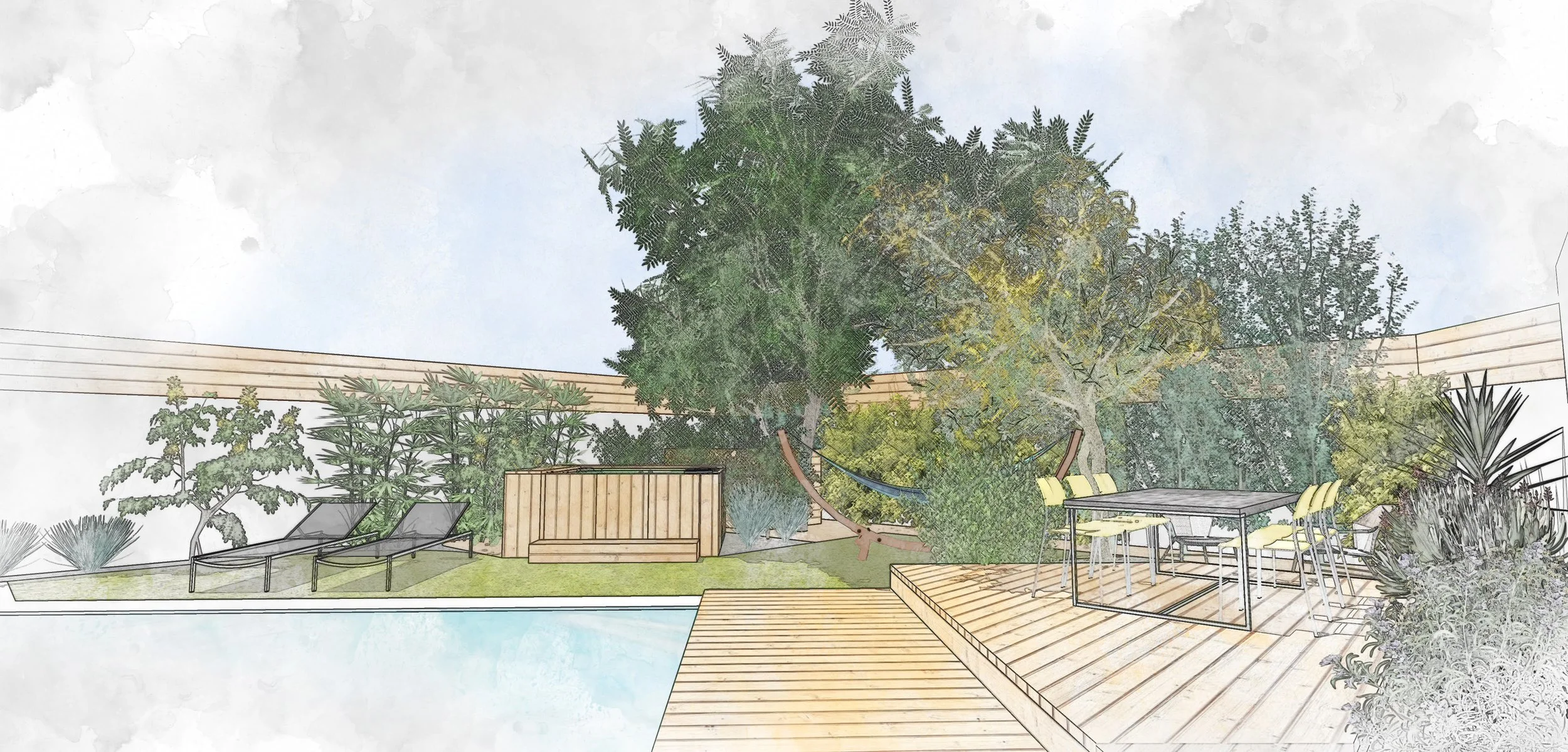
DESIGN
Site Design - Concept through Construction
Master Planning
Concept Visualization & Rendering
Planting Design - Palette Selection & Layout
Edible Garden Design & Consultation
Garden Maintenance Consulting
Outdoor Classrooms
Pools & Water Features
Services
ENVIRONMENTAL / HORTICULTURAL
Site Analysis & Geospatial Analysis
Fuel Modification Plans
Firescaping
Nature-Based Solutions & Stormwater Best Management Practices
DOCUMENTATION & PROJECT MANAGEMENT
Construction Documents & Submittals
Project Management
Construction Observation
DSA Submittal Procedure
ADVOCACY & OUTREACH
Community Engagement & Analysis
Wayfinding & Signage Design
Return on Investment: What does a well-designed landscape give back?
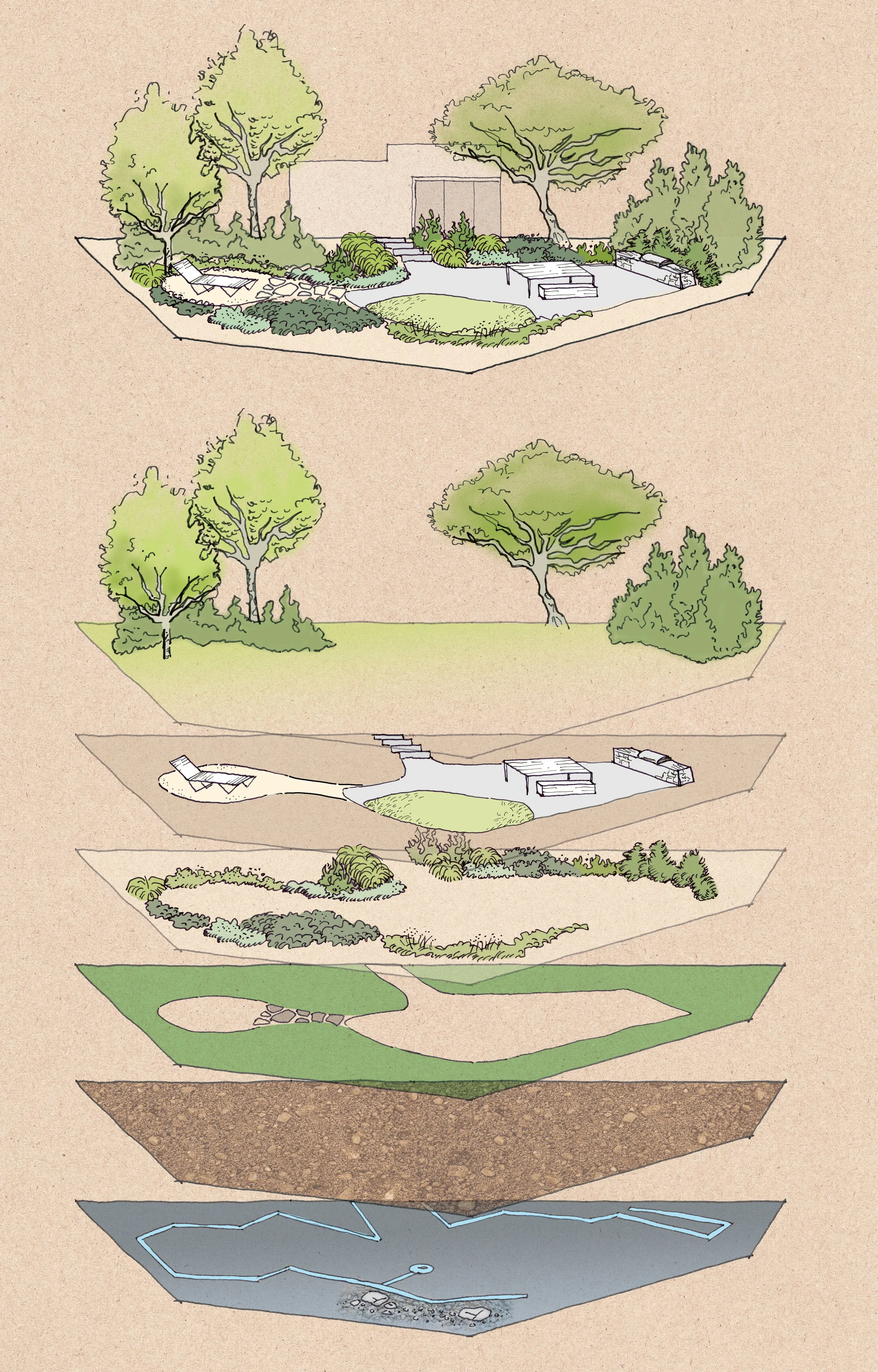
Landscape Architecture and Garden Design are a significant investment, no matter how large or small the site is. However, the benefits are multi-layered and extend far beyond the surface. A newly-rehabilitated landscape offers tremendous benefits on multiple levels to both the client and the environment. A well-constructed landscape is sustainable as it ages, solving issues of underutilized space, poor drainage, failing plants, and more. Below are some of the key elements that go into a new landscape from the tallest tree, to underground systems.
Space-Defining Trees & Architectural Plants
Trees and hedges are natural architectural elements that frame outdoor spaces. They create visual hierarchy, provide critical shade and define outdoor rooms.
Outdoor activities are supported by purposefully-designed amenities areas, maximizing the landscape and outdoor space for your daily lifestyle.
Outdoor Amenities and Usable Space
Ornamental Planting & Habitat Creation
The mid-layer of ornamental planting and medium-height shrubs packs a strong aesthetic effect; these garden spaces provide color, scent and other sensory benefits. The garden layer provides habitat for all the insects, birds and small animals that visit the site. This is where the landscape come ALIVE.
Groundcovers and Organizing Principles
Groundcovers provide an important visual layer to the site, setting the literal groundwork for all other elements. The Both living plant material and other paving and hardscape materials support the visual narrative and protect the site for long term use.
Soil Health, Longevity, and Sustainability
Soil amendments including mulch and other nutrient-supportive materials are a key part of the landscape architecture process; healthy soils ensure the success of the plants and the microbiology of the entire site.
Improved Hydrology: Site Optimization & Groundwater
Systems for irrigation and stormwater mitigation are the backbone of a healthy landscape. Proper irrigation infrastructure and targeted stormwater infiltration and/or drainage back into the water system, protect the site from damage and can benefit the greater regional water condition.